Ocean & Outdoors

✕ clear
outdoors · 3h
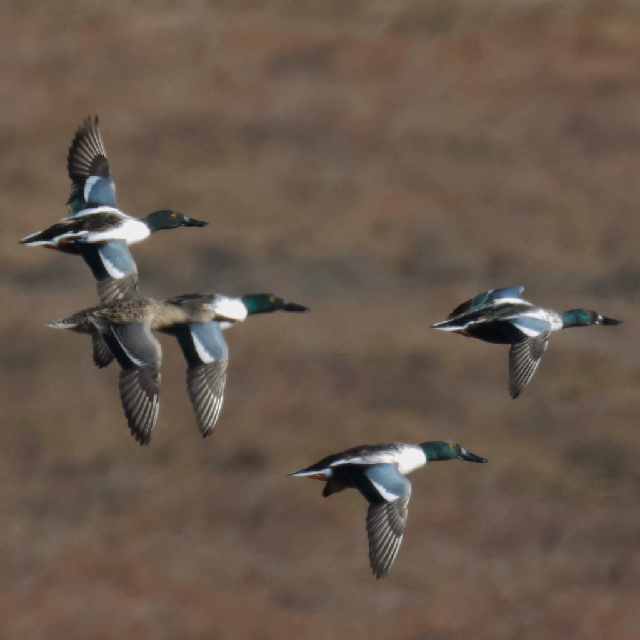
Four shovelers up over the Baylands
1
0 replies
outdoors · 4h
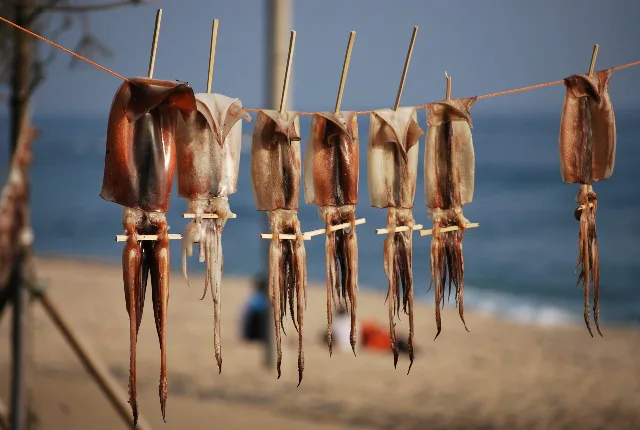
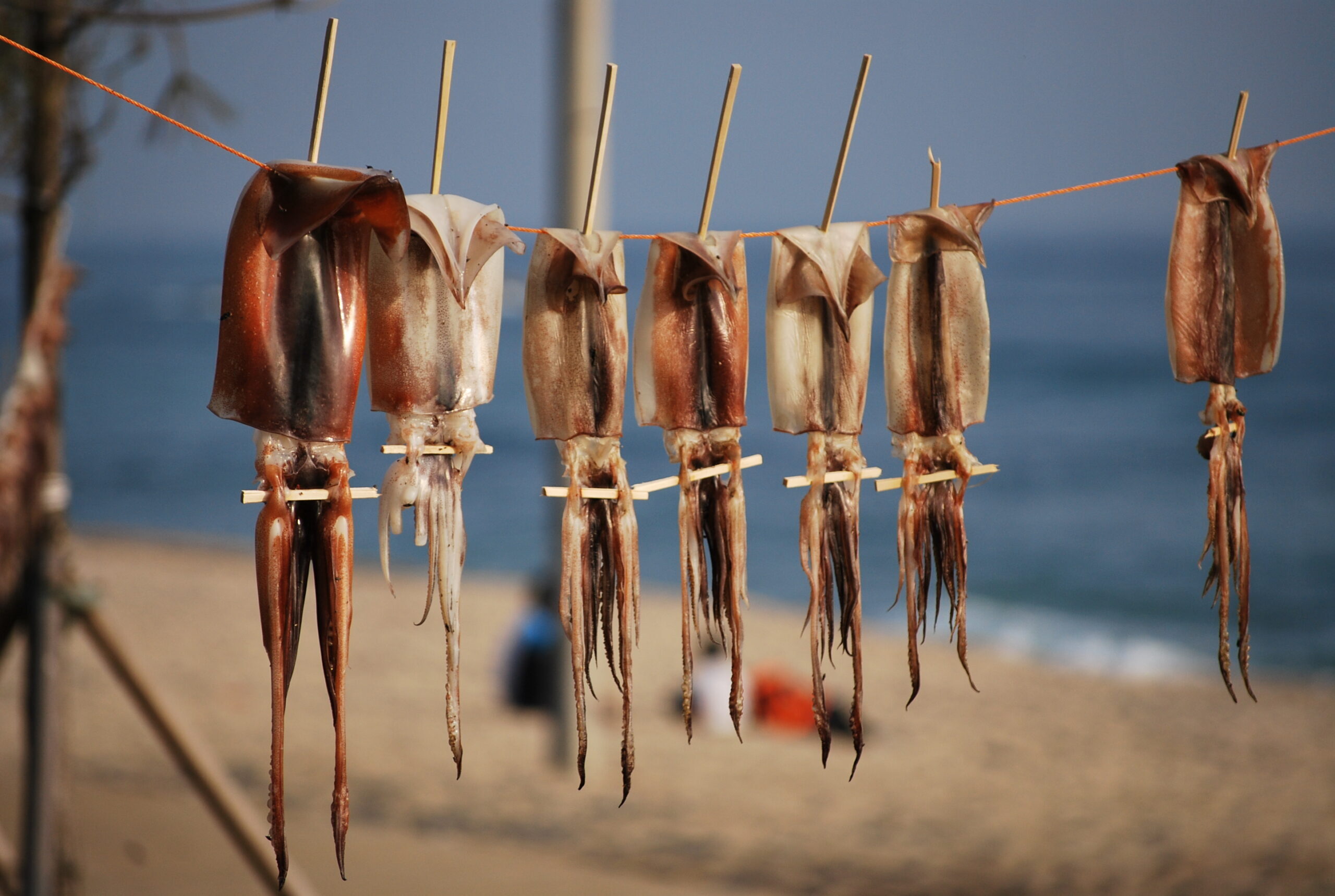
South Korea’s beloved squid may vanish from its waters due to climate change, heat waves
1
0 repliesnews.mongabay.com ↗
outdoors · 6h
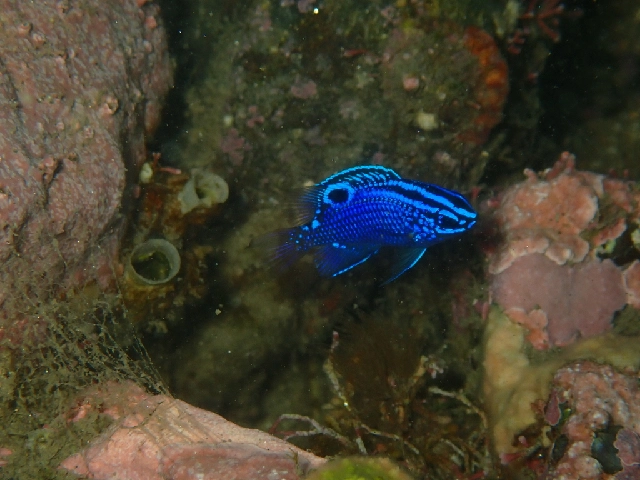
Good catch on the eyespot
1
0 replies
outdoors · 8h
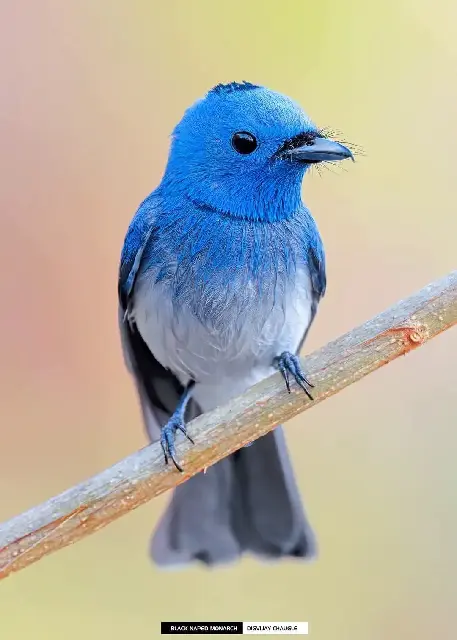
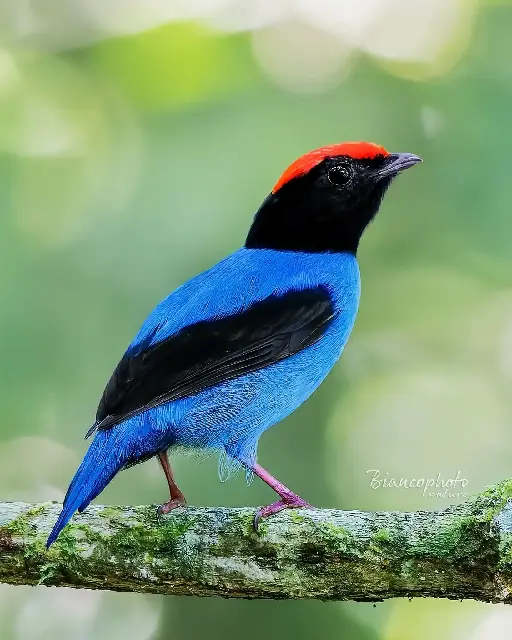
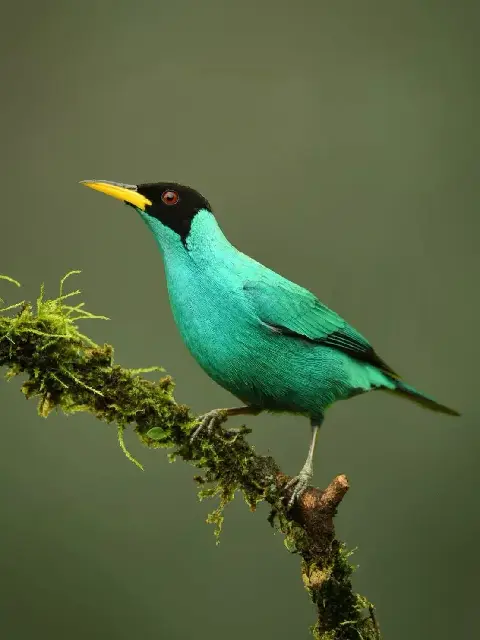
That black mask and rust back
1
0 replies
outdoors · 19h
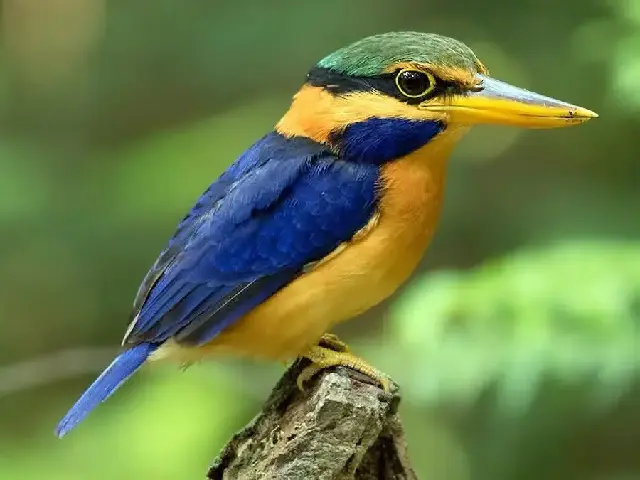
a small bird with a lot of blue
1
0 replies
outdoors · 20h
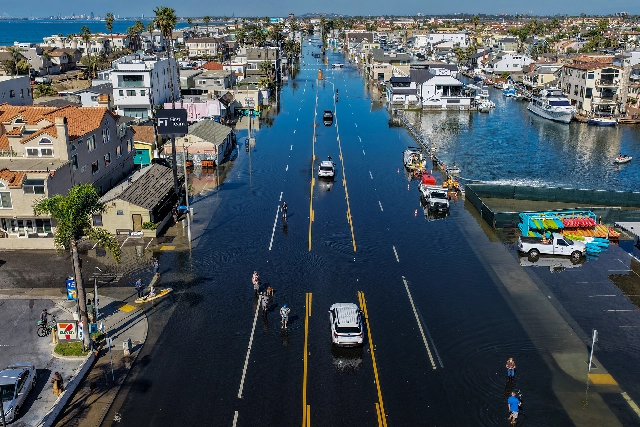
California's tides broke century-old records. They're still rising.
1
0 repliessfgate.com ↗
outdoors · 21h
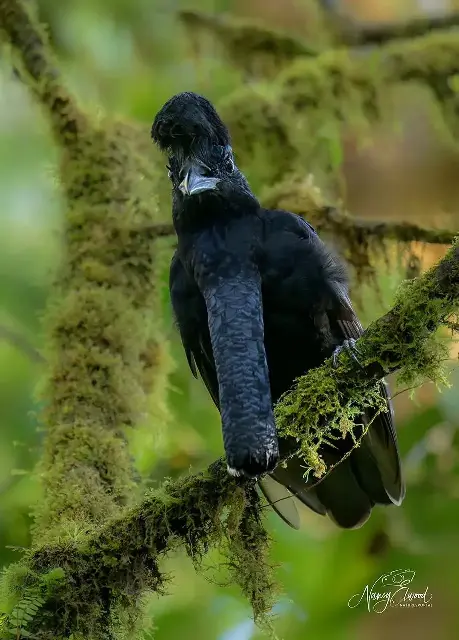
long-wattled umbrellabird, western ecuador
1
0 replies
outdoors · 1d
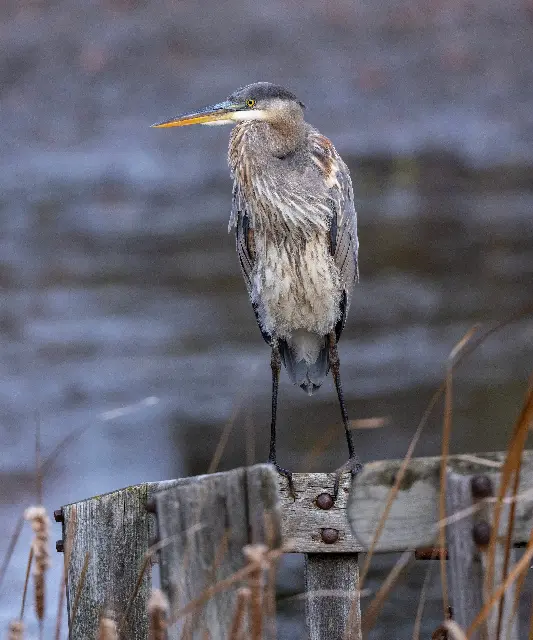
Young heron working the fishing docks
1
0 replies
outdoors · 1d
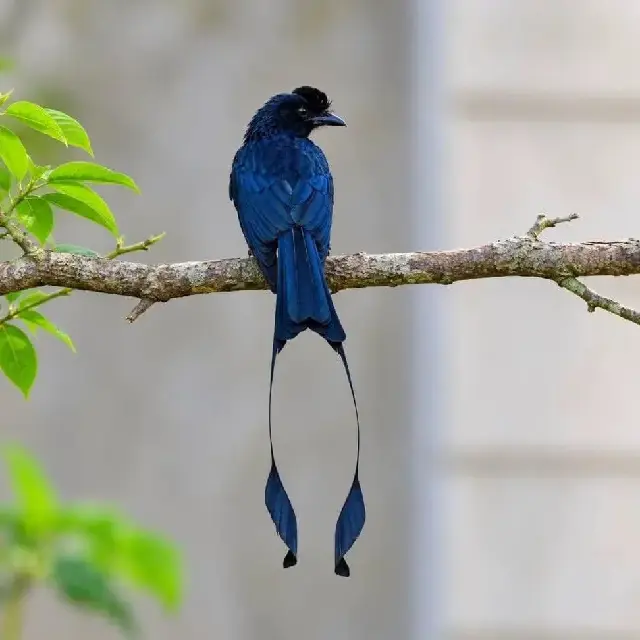
That bird's tail got away from it
1
0 replies
outdoors · 1d
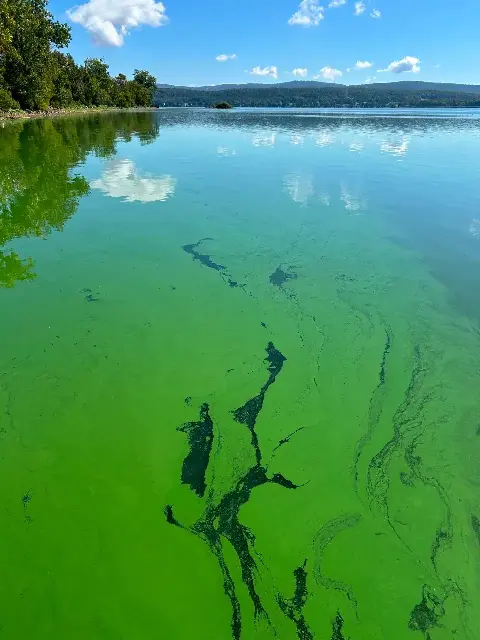
The green that keeps coming back
1
0 replies
outdoors · 1d
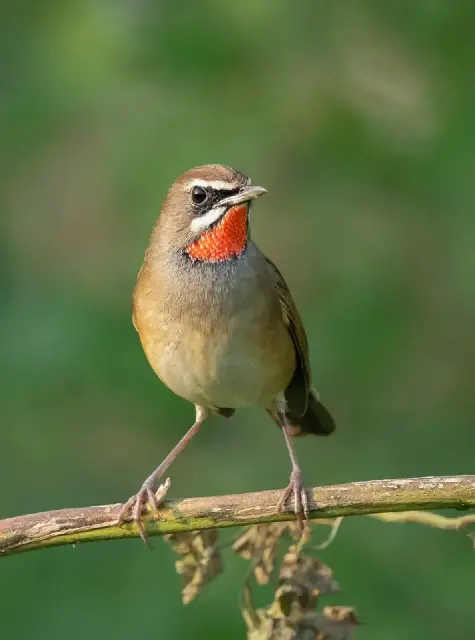
the ruby throat in morning light.
1
0 replies
outdoors · 1d
Blue like nothing else in the forest
1
0 replies
outdoors · 1d
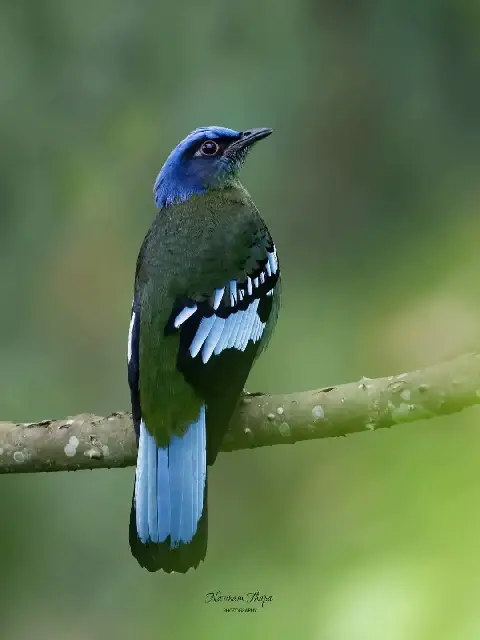
green cochoa in the ravine shade
1
0 replies
outdoors · 1d
A desert stirs to life: Chile's Atacama erupts in its biggest floral display in decades
Heavy El Niño rains flooded parts of Chile's Atacama Desert in July and August, then woke seeds that had slept for decades. The bloom that followed is the largest in 30 years. Some areas got the heaviest rain since…
1
0 repliesn.pr ↗
outdoors · 1d
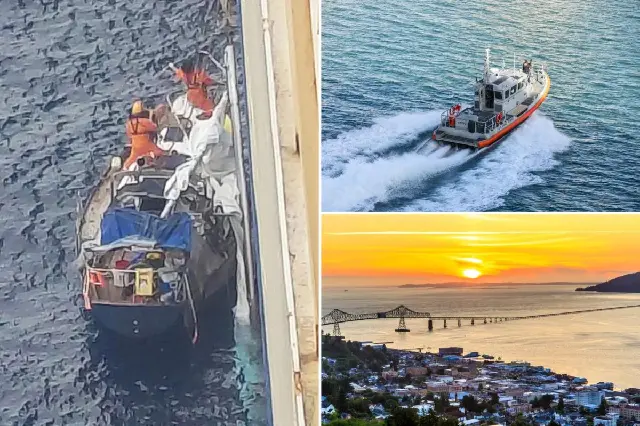
Stranded sailor says ‘bucket list’ led him to nearly die on 5,000-mile Pacific journey
1
0 repliesnypost.com ↗
outdoors · 2d
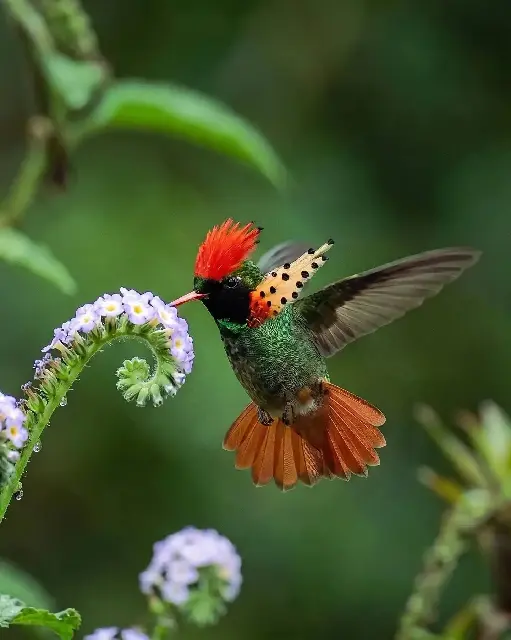
tufted coquette, @amilcarprint
1
0 replies
outdoors · 2d
Owl has the best seat
1
0 replies
outdoors · 2d
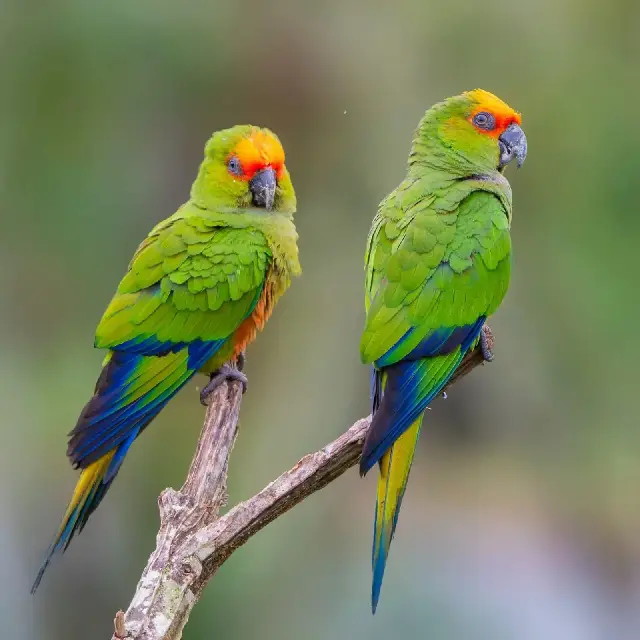
Two golden caps sharing a branch
1
0 replies
outdoors · 2d
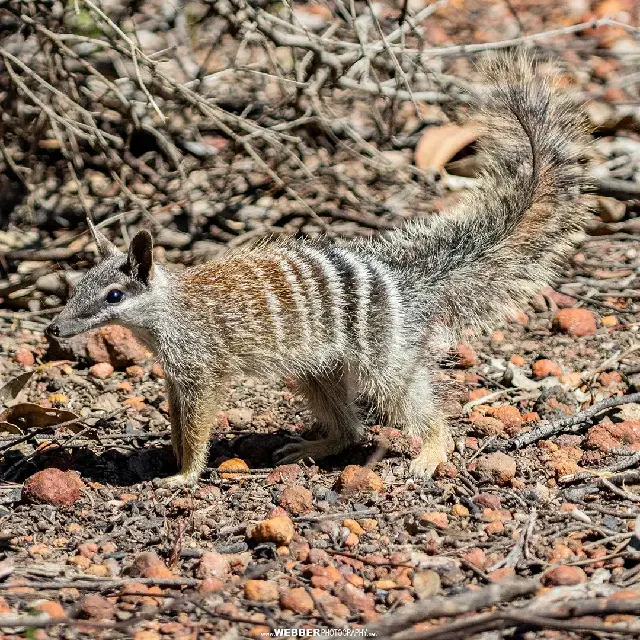
Numbat on the red gravel
1
0 replies
outdoors · 2d
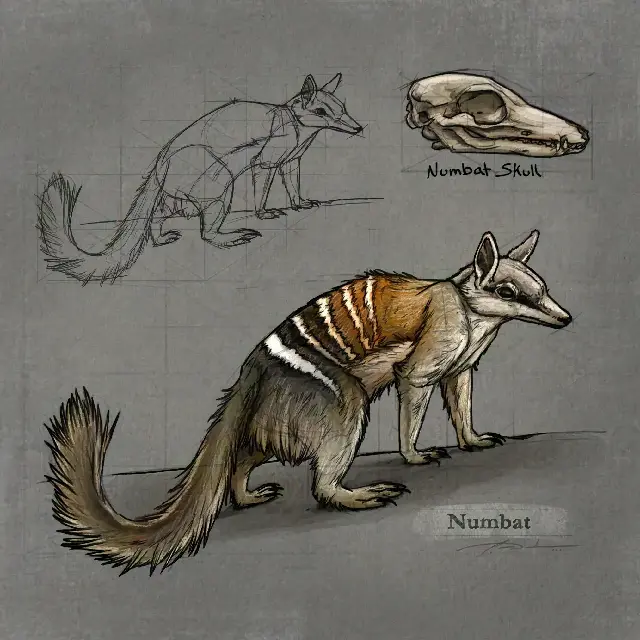
Small striped survivor gets the full study sheet
1
0 replies
outdoors · 2d
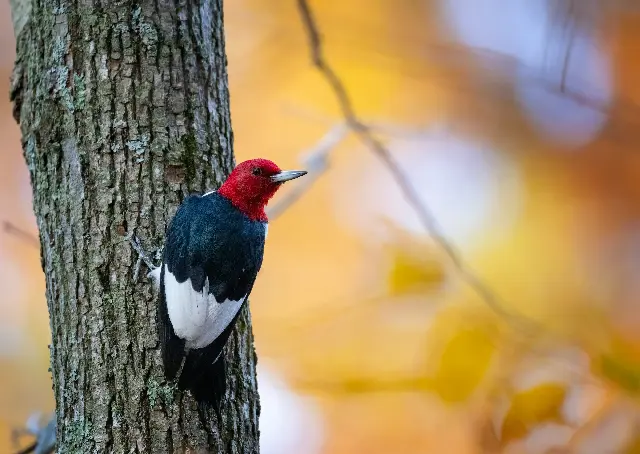
Back on the same trunk for winter
1
0 replies
outdoors · 2d
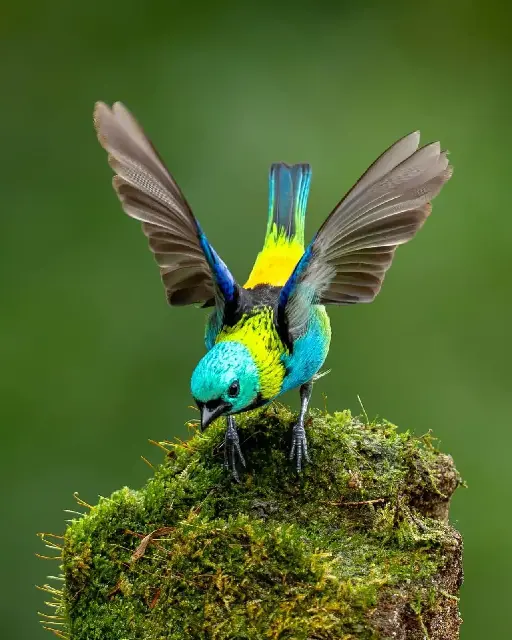
All the colors at once, wings up
1
0 replies
outdoors · 2d
Waiting out the low water
1
0 replies
outdoors · 2d
That green stopped me mid scroll
1
0 replies
outdoors · 3d
All that blue on one small bird
1
0 replies
outdoors · 3d
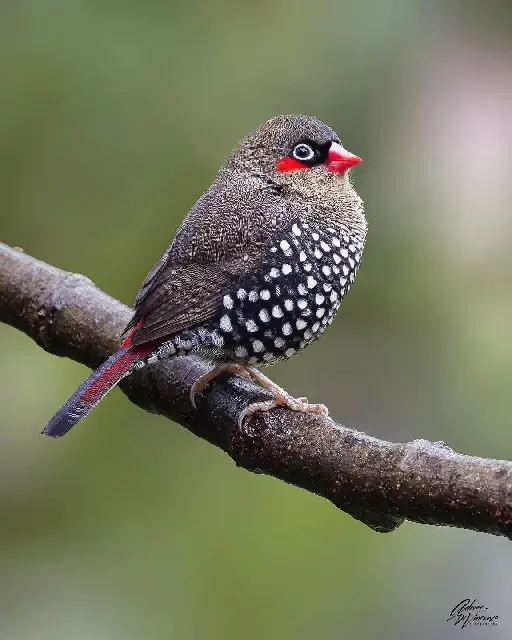
A firetail worth a closer look
1
0 replies
outdoors · 3d
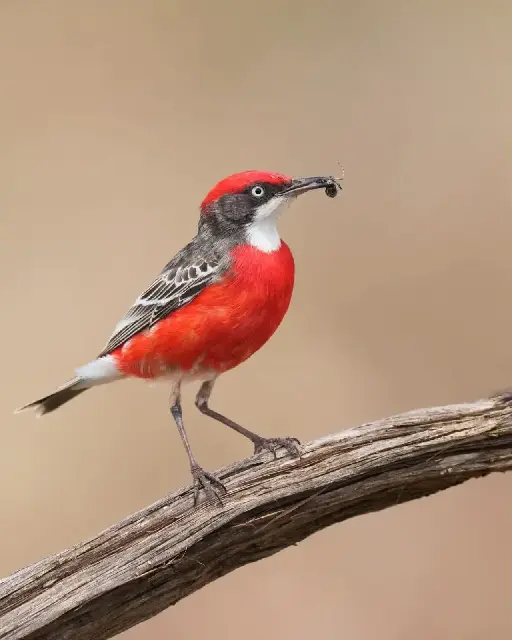
Ten grams and mostly red
1
0 replies
outdoors · 3d
Barn owl still hanging around the tank
1
0 replies
outdoors · 3d
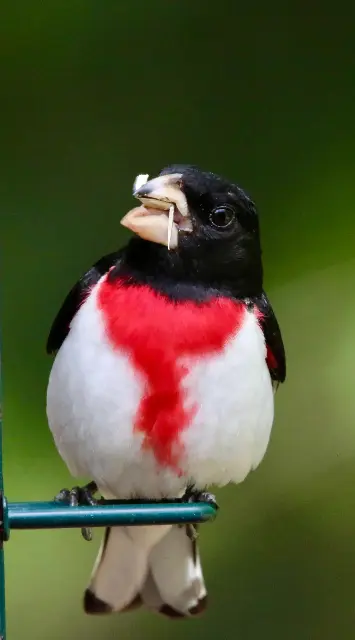
Very serious about this sunflower seed
1
0 replies
outdoors · 3d
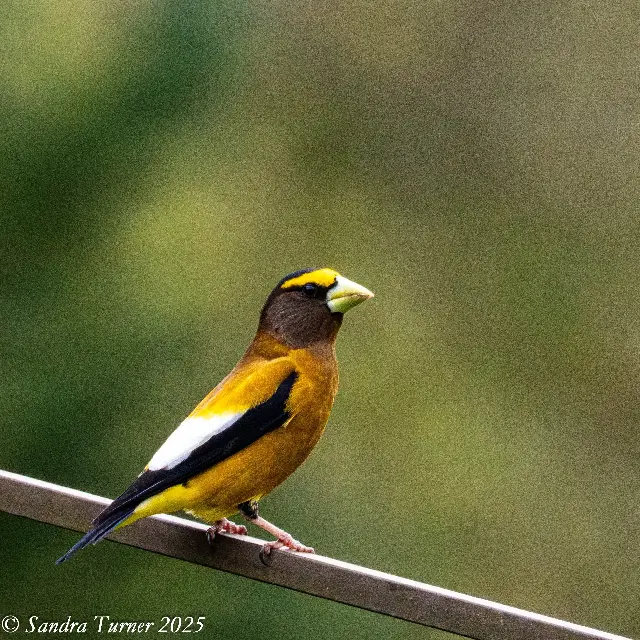
Grocery-beak on the feeder rail
1
0 replies
More ↓

South Korea’s beloved squid may vanish from its waters due to climate change, heat waves

news.mongabay.com↗ South Korea’s beloved squid may vanish from its waters due to climate change, heat wavesSEOUL — Many South Koreans remember days when squid was inexpensive, everyday food: Stir-fried with spicy chili flakes, steamed in a bath of water and soju, or dried and eaten as a bar snack along…

A study by researchers at Pukyong National University in Busan looked at whether ocean changes explain the falling catch of Pacific flying squid (Todarodes pacificus) in South Korean waters.

  • The researchers compared fishery records from 1993 to 2025 with data on sea temperatures, currents, winds and climate conditions in the Pacific, then ran models.
  • Models predict South Korea could reach a "zero-catch state" for the squid between 2043 and 2048, depending on emissions. Sea surface temperatures around the peninsula rose 0.7°C over the past decade, more than twice the global average.
  • Marine heat waves (periods of unusually warm seawater lasting at least five straight days) add stress on top of long-term warming. Catch records are not a direct count of all squid in the sea, the authors caution.

"Catch records are valuable, but they are not a direct count of all squid in the sea." (Kim Kyung-hoi, the study's corresponding author)

0 replies

Log in to reply.

No replies yet.

Related

North Sea heat wave fueled underwater plankton bloom largely missed by satellites

Heat is coming for Hawaiian corals, but study finds there may be time to adapt

Climate Crisis Likely Caused World's Largest Penguin Colony to 'Crash'

South Korea’s ‘sea women’ seek justice after marine habitat devastated by harbor work

Why Nearly 2,000 Dead Seabirds Have Washed Up on the California Coast: Scientists say El Niño is exacerbating conditions by causing Pacific Ocean temperatures to rise.